UNDERSTANDING THE FUNCTION OF CAVITIES IN DOUBLE-LAYER UPVC ROOFING
28 November 2026
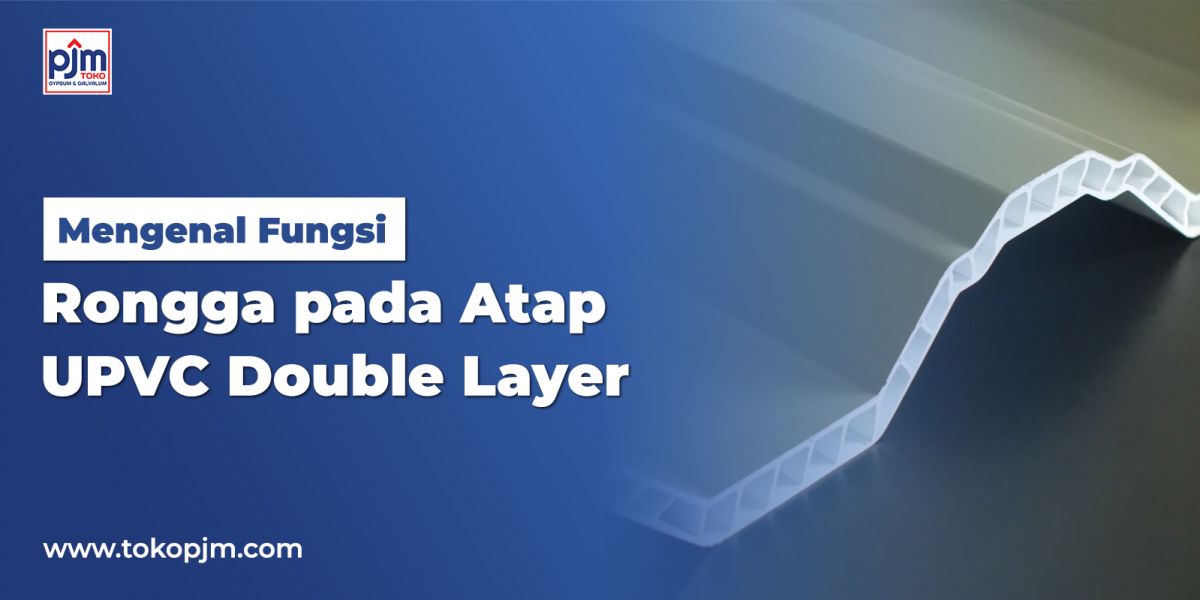
Have you ever wondered why Double-Layer UPVC roofing has cavities between its two material layers? These spaces are not just part of the roofing design; they also serve important functions that help improve building comfort.
In tropical regions like Bali, roofs must withstand intense sunlight and relatively heavy rainfall. That is why choosing heat-resistant roofing in Bali is an important consideration when building or renovating a home.
One option worth considering is UPVC roofing in Bali, particularly the Double-Layer type, which features a hollow structure.
What Are the Cavities in Double-Layer UPVC Roofing?
Double-Layer UPVC roofing is a type of roofing made from Unplasticized Polyvinyl Chloride (UPVC). It consists of two layers with an empty space in between. This structure is commonly known as twinwall or hollow roofing.
Simply put, these cavities work like the air layer inside a thermos. The trapped air helps slow down heat transfer from the outside to the inside.
This is what makes the Double-Layer structure an attractive option for heat-resistant roofing in Bali.
4 Functions of Cavities in Double-Layer UPVC Roofing
1. Helps Slow Down Heat Transfer
When sunlight hits the roof, heat from the outer surface is not transferred directly to the lower layer. The air cavities in between help slow down this heat transfer.
As a result, less heat can enter the room, helping create a more comfortable indoor environment.
2. Helps Reduce Rain Noise
Besides heat, rain noise can also be a problem, especially in buildings with metal roofing.
The double-layer structure with air cavities helps reduce the transmission of sound vibrations caused by raindrops hitting the roof. This can make the rooms underneath feel quieter.
3. Provides Greater Structural Rigidity
The cavities between the two layers are also part of the panel's structural design. This arrangement helps provide rigidity to the roofing sheets compared with single-layer sheets made from comparable materials and designs.
4. Supports Building Comfort
The combination of heat insulation and sound reduction makes Double-Layer UPVC roofing worth considering for homes, canopies, terraces, and commercial buildings.
It is no surprise that UPVC roofing in Bali is attracting increasing interest from homeowners and construction professionals.
Why Is Double-Layer UPVC Roofing Suitable for Bali?
Bali receives intense sunlight and experiences significant rainfall, both of which should be considered when choosing building materials.
Using heat-resistant roofing in Bali with a Double-Layer structure can be one way to improve indoor comfort.
One option worth considering is Sagaroof UPVC Roofing. This product can serve as an alternative roofing material for residential and construction projects.
Find Sagaroof UPVC Roofing at Toko PJM!
Understanding the function of roofing cavities is an important step before choosing a roofing material. The Double-Layer structure is not just visually different; it also offers benefits by helping slow down heat transfer and reduce noise.
If you are looking for UPVC roofing in Bali or heat-resistant roofing in Bali, Sagaroof is an option worth considering.
Get Sagaroof UPVC Roofing at Toko PJM. Contact our team for product information and consultation on roofing materials for your home or building project!