WHY UPVC ROOFING IS SUITABLE FOR HOMES IN TROPICAL CLIMATES
27 November 2026
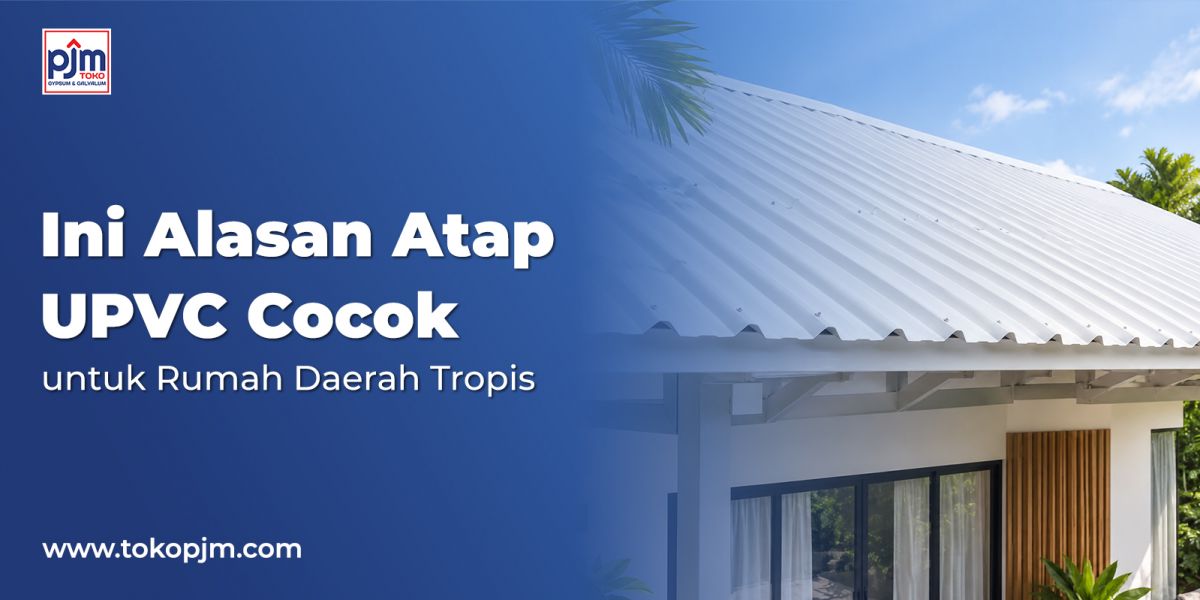
Living in a tropical region like Bali means your home has to withstand a variety of weather conditions. During the dry season, intense sunlight can make indoor temperatures uncomfortably hot. Meanwhile, when the rainy season arrives, your roof must be able to protect the building from heavy rainfall.
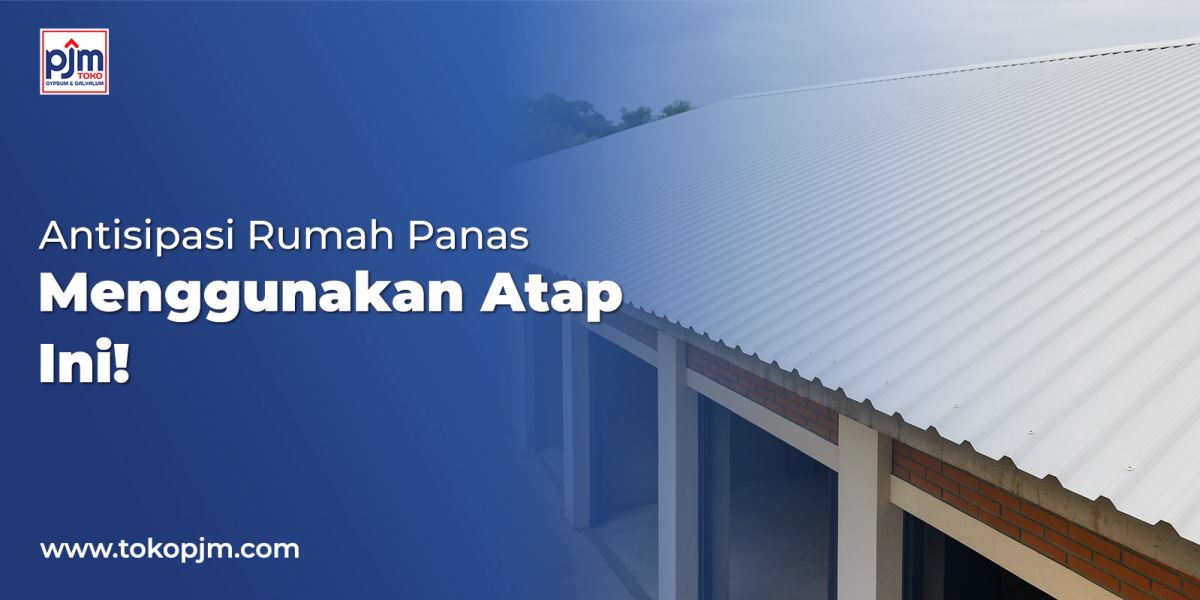
That is why choosing the right roofing material is essential. One option worth considering is UPVC roofing. Its characteristics make it well-suited to improving home comfort in tropical climates. It is no surprise that UPVC roofing in Bali is increasingly being considered for both residential and commercial buildings.
What Is UPVC Roofing?
UPVC (Unplasticized Polyvinyl Chloride) is a polymer-based material that does not contain plasticizers. This gives the material a more rigid structure, making it suitable for use as a building roofing material.
One option worth considering is Sagaroof Double Layer UPVC roofing. As the name suggests, this product features a double-layer structure with hollow cavities running along the sheets.
Simply put, these cavities work like the air layer inside a thermos, helping slow down heat transfer.
5 Reasons Why UPVC Roofing Is Suitable for Tropical Homes
So, why is UPVC roofing a good choice for homes in Bali and other tropical regions? Here are some reasons.
1. Helps Reduce Solar Heat
Hot weather can often make rooms beneath the roof feel stuffy and uncomfortable. Double-layer UPVC roofing features hollow cavities that help slow down heat transfer from outside into the building.
This makes it worth considering if you are looking for heat-resistant roofing in Bali to improve your home's comfort.
2. Provides UV Protection
Continuous exposure to ultraviolet (UV) rays can affect the condition of building materials. Sagaroof Double Layer features an anti-UV formula that helps protect the material from sunlight exposure.
This is an important advantage to consider when choosing UPVC roofing in Bali for long-term use.
3. Resistant to Rust
Some areas of Bali have high humidity levels, particularly near coastal regions where salt is present in the air.
Unlike metal materials that can experience corrosion, UPVC does not rust easily. This characteristic makes UPVC roofing worth considering for various building environments.
4. Helps Reduce Rain Noise
Ever been disturbed by the sound of heavy rain hitting your roof?
The hollow structure of Sagaroof Double Layer helps absorb the impact sound of raindrops. This can make indoor activities more comfortable.
5. Durable and Low-Maintenance
In addition to its corrosion resistance, UPVC is rigid and impact-resistant. It is also resistant to acidic and alkaline chemicals that can damage certain other materials.
These characteristics make it an attractive option for homeowners looking for heat-resistant roofing in Bali that is relatively easy to maintain.
Where Can UPVC Roofing Be Used?
UPVC roofing is not only suitable for residential homes. It can also be used for various building applications, such as:
- Main residential roofs.
- Carport canopies.
- Terraces and outdoor relaxation areas.
- Office roofs and commercial buildings.
With these characteristics, UPVC roofing in Bali can be a practical alternative for a wide range of construction needs.
Find Sagaroof UPVC Roofing at Toko PJM!
Choosing the right roofing material is an investment in your building's long-term comfort. If you are looking for UPVC roofing in Bali or heat-resistant roofing in Bali, Sagaroof Double Layer is one option worth considering.
Get Sagaroof UPVC roofing at Toko PJM. Contact the Toko PJM team for product information and consultation on roofing materials for your home or building project!