INSULATION MATERIALS FOR REDUCING INDOOR HEAT
26 November 2026
Does your room still feel hot even when you use a fan or air conditioner? One possible cause is heat from the sun traveling through the roof and walls of your building. To help address this issue, using insulation materials can be an effective solution.
One material commonly used for reducing indoor heat is glasswool. This material helps slow down heat transfer, making indoor temperatures more comfortable.
What Is Glasswool?
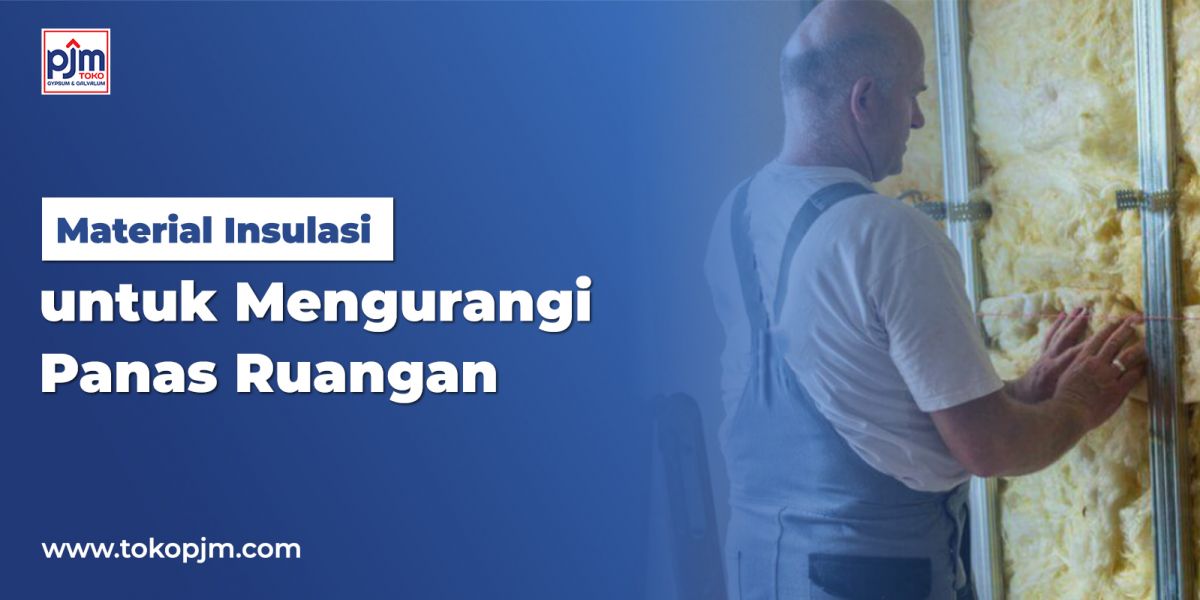
Glasswool is an insulation material made from fine glass fibers and formed into sheets or rolls. Its fiber structure contains tiny air pockets that help trap air.
Think of it like a blanket that helps slow down heat transfer. This is why glasswool is often used as a thermal insulation material in buildings to reduce indoor heat.
In addition to helping reduce heat transfer, glasswool can also absorb some sound, making it useful for both thermal and acoustic insulation.
Benefits of Glasswool for Reducing Indoor Heat
Using glasswool to reduce indoor heat offers several benefits, including:
1. Helps Reduce Heat from the Roof
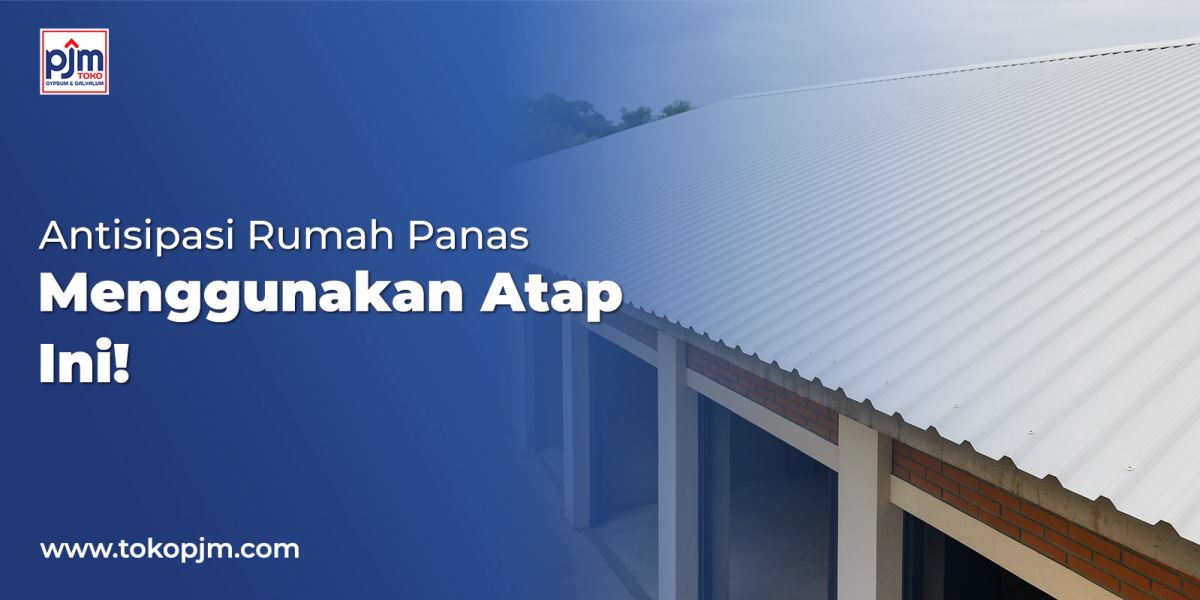
A roof exposed to direct sunlight can be one of the sources of heat inside a home. Installing glasswool as part of a suitable roofing system can help slow down heat transfer into the rooms below.
2. Helps Maintain Comfortable Indoor Temperatures
Glasswool helps reduce heat transfer, allowing indoor temperatures to remain more stable. For this reason, it is worth considering for homes, offices, warehouses, and commercial buildings.
3. Helps Absorb Sound
Besides reducing indoor heat, glasswool can also absorb some sound waves. It can be used in wall, ceiling, or partition systems designed for acoustic insulation.
Where Can Glasswool Be Used?
Glasswool can be applied in several parts of a building to help reduce indoor heat, such as:
- Roof areas: Helps reduce heat traveling through the roofing material.
- Ceilings: Installed within the ceiling system according to the construction design.
- Walls and partitions: Installed inside wall cavities to support insulation requirements.
- Commercial buildings: Can be used in offices, warehouses, and business premises according to their needs.
Tips for Choosing Glasswool for Reducing Indoor Heat
Before purchasing glasswool, consider the following factors:
- Material thickness: Choose according to your insulation requirements and available installation space.
- Density: Check the material density based on the product specifications.
- Facing type: Choose a product with or without aluminium foil according to the installation design.
- Building requirements: Determine whether the material will be used for the roof, ceiling, or walls.
Glasswool should be installed according to the manufacturer's instructions, using appropriate protective equipment.
Get Glasswool at Toko PJM!
Want to make your indoor spaces more comfortable with insulation materials that help reduce heat? Glasswool can be one of the insulation options for your building needs.
Get glasswool at Toko PJM to support your home construction, renovation, or commercial building projects.
Contact Toko PJM for product information and to explore insulation materials that suit your project requirements!