TIPS FOR MAKING GYPSUM CEILINGS NEATER AND MORE DURABLE
27 October 2026
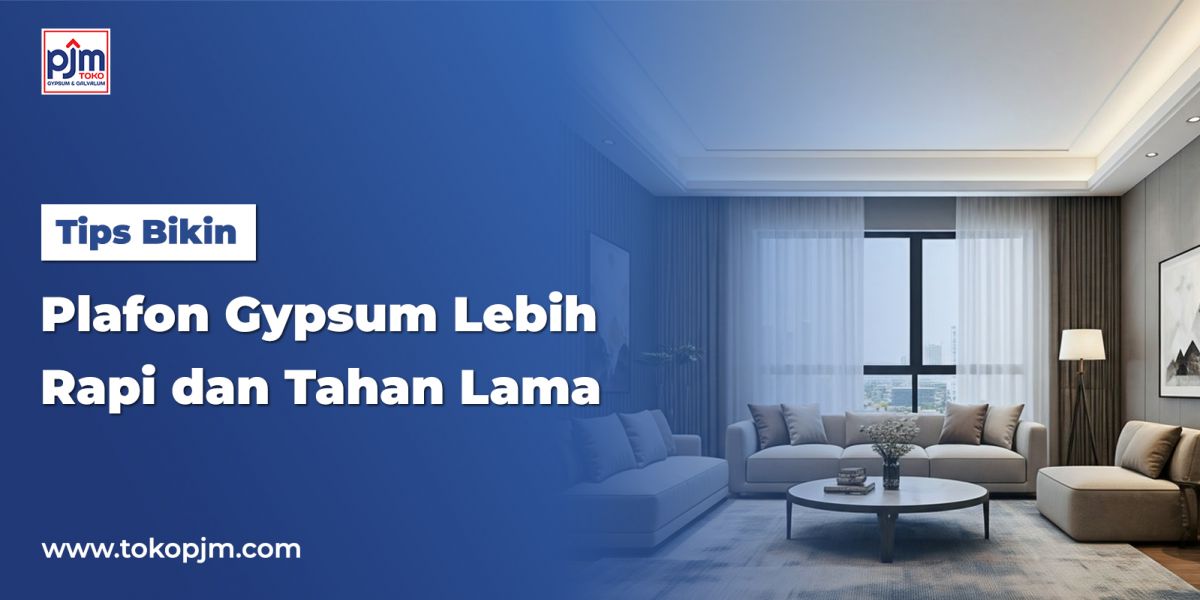
Gypsum ceilings are a popular choice for modern homes thanks to their smooth surfaces, minimalist appearance, and versatility in various interior designs. However, achieving a neat and long-lasting ceiling requires the right materials and proper installation techniques.
If you're building or renovating a home, villa, or commercial property in Bali, here are some tips for creating a neater, stronger, and more durable gypsum ceiling.
1. Choose High-Quality Gypsum Boards
The first step toward a neat ceiling is selecting high-quality gypsum boards. Make sure the surface is flat, free from cracks or breaks, and suitable for the room's requirements.
Standard gypsum is suitable for rooms with normal conditions. For areas with higher humidity, consider Water-Resistant (WR) gypsum, depending on the room's conditions.
Choosing the right gypsum helps achieve a better finish that meets your building's needs.
2. Use Strong and Precisely Installed Ceiling Framing
Besides gypsum boards, framing is essential for supporting the entire ceiling surface. Uneven or unstable framing can cause the ceiling to become wavy, sag, or develop cracks along the joints.
For optimal results:
- Use framing materials suited to your construction requirements.
- Make sure the frame is level using a spirit level.
- Adjust frame spacing according to the gypsum board specifications and installation system.
- Ensure all frame connections are securely fastened.
If you're looking for Bali Lightweight Steel materials for construction, choosing the right framing system can help achieve a neater and more durable ceiling installation.
3. Install Gypsum Boards Correctly
Gypsum boards must be installed precisely to create a level ceiling surface. Use specialized gypsum screws with the appropriate size and spacing according to the product recommendations.
Make sure the boards are securely attached to the frame and that the joints are properly arranged. Correct installation helps reduce the risk of board movement and ceiling cracks.
4. Don't Overlook the Finishing Process
Finishing is essential for achieving a smooth, attractive ceiling. Gypsum board joints should be covered with compound and joint tape according to the installation system.
Afterward, sand the surface until it is even before painting.
Avoid rushing the finishing process, as poorly finished joints can become clearly visible after the ceiling is painted.
5. Check for Roof Leaks and Excessive Moisture
Gypsum ceilings can become damaged when continuously exposed to water or excessive moisture. Regularly inspect the roof and repair any leaks as soon as they are detected.
Also, ensure adequate room ventilation. Maintaining suitable indoor conditions helps reduce the risk of dampness, mold, and ceiling damage.
Find Your Ceiling and Framing Materials at Toko PJM
Creating a neat and durable gypsum ceiling requires a combination of quality materials, precise framing, and proper installation techniques.
Toko PJM provides a wide range of building materials, including Jayaboard and Yoshino gypsum boards, Hollow profiles, gypsum screws, and finishing accessories for homes and construction projects.
If you're looking for Bali Ceiling Framing or Bali Lightweight Steel materials, Toko PJM can help you find suitable options for your project.
Visit Toko PJM Official to explore the available products and prepare the materials you need for your ceiling project.