DIFFERENCES BETWEEN GALVANIZED HOLLOW AND GALVALUME HOLLOW
26 October 2026
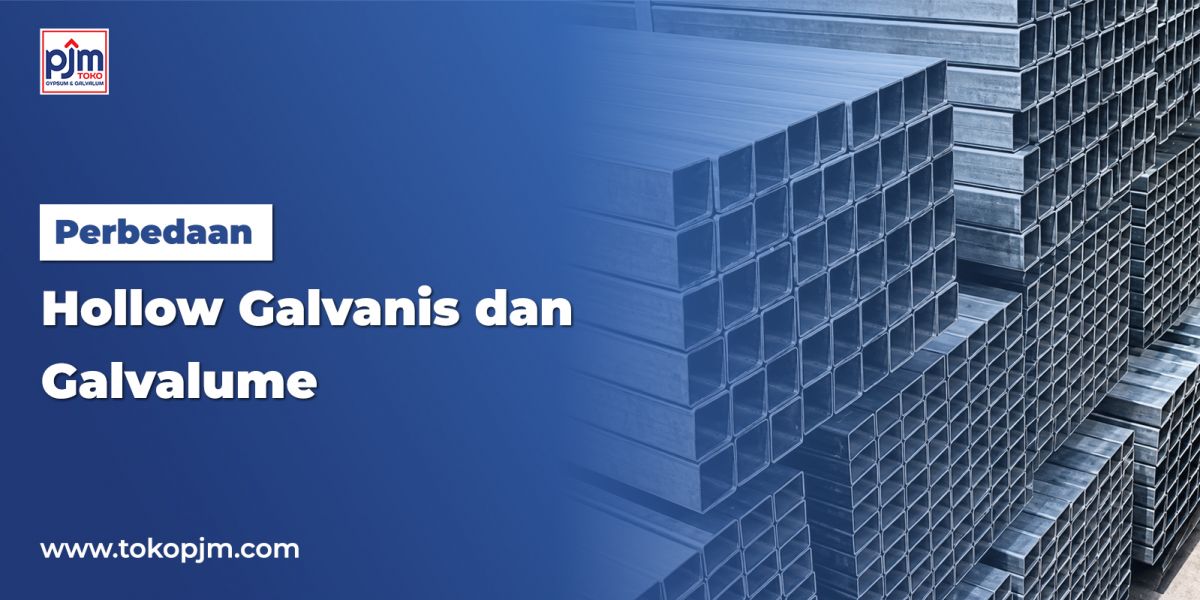
Hollow profiles are widely used for ceiling framing, partitions, and lightweight construction. However, did you know that galvanized Hollow and Galvalume Hollow differ, particularly in their protective coatings and resistance to corrosion?
Before purchasing materials for your home, villa, or commercial building, it's important to understand the characteristics of both types so you can choose the option that best suits your project requirements and budget.
1. What Is Galvanized Hollow?
Galvanized Hollow is a steel profile coated with zinc to help protect its surface against rust. This coating makes it suitable for various construction applications, including framing and certain fabrication projects.
Although it offers corrosion protection, its durability still depends on the coating thickness, environmental conditions, and any damage to the material's surface. Therefore, when choosing galvanized Hollow, consider the location and intended application.
2. What Is Galvalume Hollow?
Galvalume Hollow is a steel profile with a protective coating made primarily from aluminum and zinc, along with silicon in the coating formulation. This combination is designed to provide corrosion protection.
This material is widely used in lightweight construction, including ceiling framing and partition systems. Toko PJM also offers Galvalume Hollow options to help meet interior and building construction requirements.
3. Differences Between Galvanized Hollow and Galvalume Hollow
Here are the main differences you should know:
- Protective coating: Galvanized Hollow uses a zinc coating, while Galvalume Hollow uses a combination of aluminum and zinc.
- Corrosion resistance: Both offer protection against rust. However, Galvalume generally provides good corrosion resistance under many conditions, depending on the coating quality and thickness.
- Applications: Both can be used for specific construction purposes, provided their specifications meet the intended function and planned load requirements.
- Maintenance: Both types of Hollow should be protected from scratches, coating damage, and environmental exposure that could accelerate corrosion.
Therefore, don't choose based solely on the material's name or price. Also consider its dimensions, thickness, coating quality, and installation requirements.
4. Which Is More Suitable for Ceiling Framing?
For interior projects, Hollow profiles should be selected according to the ceiling board type, room dimensions, and framing system being used. If you're looking for Bali Ceiling Framing materials, make sure the selected products meet your installation requirements.
Meanwhile, for Bali Lightweight Steel applications, also consider the construction function, environmental conditions, and technical recommendations to ensure the materials perform as intended.
Find Hollow Profiles and Construction Materials at Toko PJM
Building or renovating a home, villa, or office? Toko PJM – Putra Jaya Mandiri provides a wide range of ceiling, partition, and roofing materials, including Hollow profiles and lightweight steel products.
Visit Toko PJM to explore the available products and prepare the materials for your project. Choosing the right materials from the start can make installation more efficient and help you achieve the construction results you expect.
Toko PJM — Your trusted source for building materials in Bali!