ESSENTIAL TYPES OF BUILDING MATERIALS YOU NEED WHEN BUILDING A HOUSE
17 March 2026
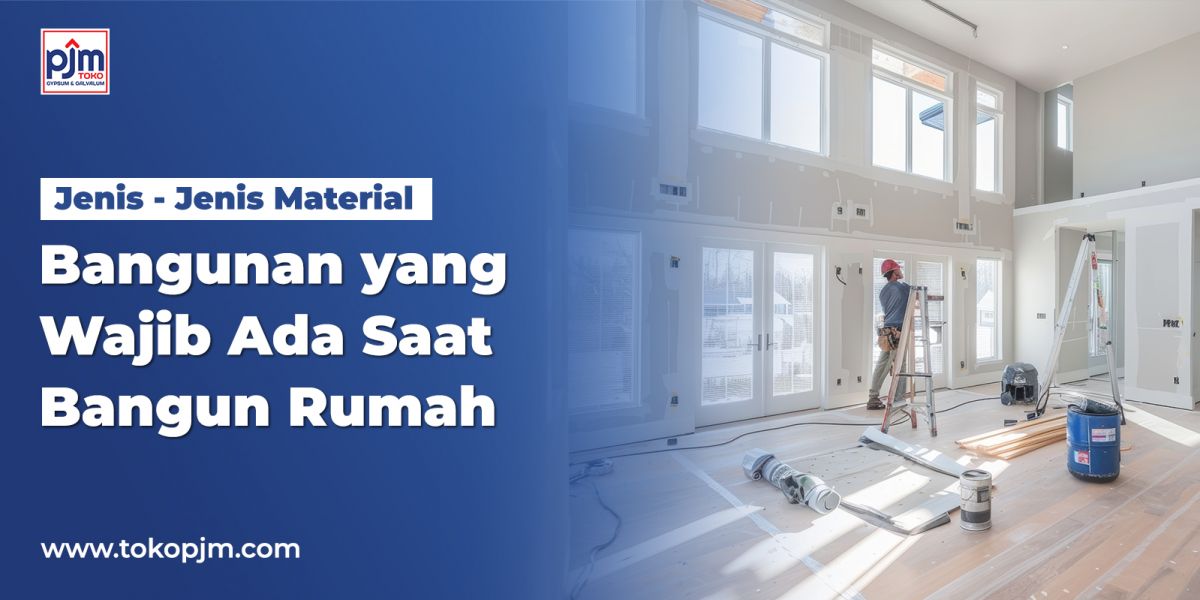
Building a house is not just about beautiful design; it is also about choosing the right, high-quality building materials. Good materials ensure the house is sturdier, long-lasting, and comfortable to live in. Therefore, it is important for you to understand the essential types of building materials required during construction.
For those planning a home construction project in Bali, choosing a trusted light steel distributor in Bali and a gypsum ceiling distributor in Bali is a vital step to ensure the construction process runs smoothly.
Here are several primary materials you must prepare:
1. Cement as the Main Binding Agent
Cement is a fundamental material used in almost every stage of construction. It functions as a binder for sand, stones, and other materials to form a strong structure. Cement is used in various tasks such as:
- House foundations
- Brick or block laying
- Wall plastering and finishing (acian)
- Floor casting Choosing high-quality cement will significantly affect the building's strength in the long run.
2. Sand and Stone for the Base Structure
Sand and stone are also critical materials. Sand is typically mixed with cement, while stone is used for foundations and structural components. Commonly used types of sand include:
- Concrete sand for casting
- Masonry sand for bricklaying
- Fine sand for plastering High-quality sand and stone will make the building structure sturdier and more durable.
3. Bricks or Blocks for the Walls
The next essential materials are bricks or blocks, which serve as the primary components of the house walls. Popular wall materials include:
- Red bricks
- Concrete blocks (Batako)
- Lightweight concrete blocks (Hebel) The choice of brick type is usually adjusted to the structural needs and the construction budget.
4. Light Steel for the Roof Structure
Nowadays, many people are switching to light steel for roof trusses because it is stronger, termite-proof, and lighter than wood. Advantages of light steel include:
- Resistant to termites and mold
- Does not rot
- Faster installation
- More durable and long-lasting If you are looking for a light steel distributor in Bali, choosing a trusted supplier is essential to obtain quality materials at competitive prices.
5. Gypsum Ceilings for a Neat Interior
The ceiling is an important part of the interior as it covers the roof trusses and beautifies the room. One of the most popular ceiling materials today is gypsum. Advantages of gypsum ceilings:
- Smooth and neat surface
- Easily shaped for various designs
- Makes the room look more elegant
- Relatively fast installation To get the best results, ensure you purchase from a gypsum ceiling distributor in Bali that provides quality products.
6. Roofing as the Primary Protection
The roof protects the house from heat, rain, and weather changes. Common roofing types include:
- Ceramic tiles
- Concrete tiles
- Metal roofing
- Galvalume roofing To ensure a stronger roof structure, the use of high-quality light steel trusses is highly recommended.
Conclusion
Selecting the right building materials is a crucial step in building a sturdy and comfortable home. Key materials to prepare include cement, sand, stone, bricks, light steel, gypsum ceilings, and roofing materials.
Using the right materials must be balanced with choosing a trusted distributor. This ensures you get quality products, competitive prices, and guaranteed stock availability.
As a light steel distributor in Bali and a ceiling and gypsum distributor in Bali, Toko PJM provides various material needs for ceilings and light steel roof trusses. Our products are suitable for houses, villas, and professional construction projects. By choosing the right materials and a trusted distributor, your construction process will be smoother and achieve maximum results.