WHAT CAUSES CEILING FRAMES TO SAG?
16 October 2026
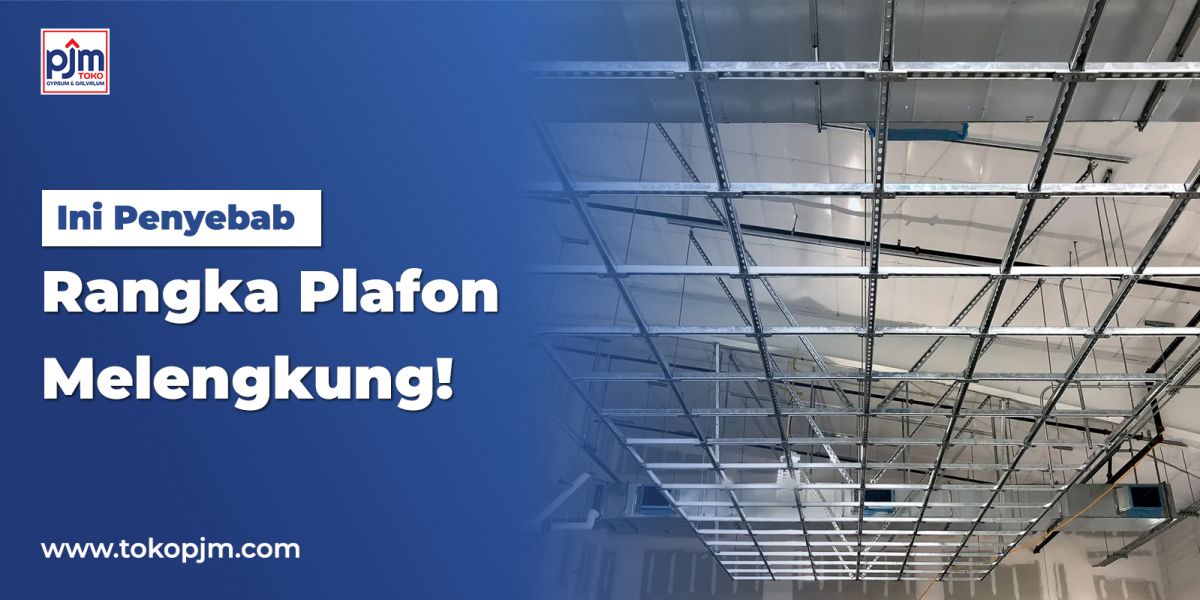
Was your ceiling initially flat and neat, but has gradually started to sag? Don't take this issue lightly! Besides affecting the room's appearance, a sagging ceiling may indicate problems with the framing, installation, or material condition.
If you're building or renovating a home, villa, or other property in Bali, let's explore some common causes of sagging ceiling frames!
1. Incorrect Ceiling Frame Spacing
One important factor to consider is the spacing between frame profiles. If the spacing does not comply with the ceiling board specifications and construction requirements, the support may be inadequate, increasing the risk of sagging.
Therefore, Bali Ceiling Framing must be planned carefully, including determining the frame spacing according to the recommendations for the materials being used.
2. Choosing the Wrong Framing Material
Not all materials have the same specifications. Selecting framing materials without considering their dimensions, thickness, and project requirements can affect the final ceiling installation.
Hollow is one of the materials commonly used to support ceiling boards. Make sure the selected material meets your construction requirements so the frame can function properly.
3. Improper Screw Installation
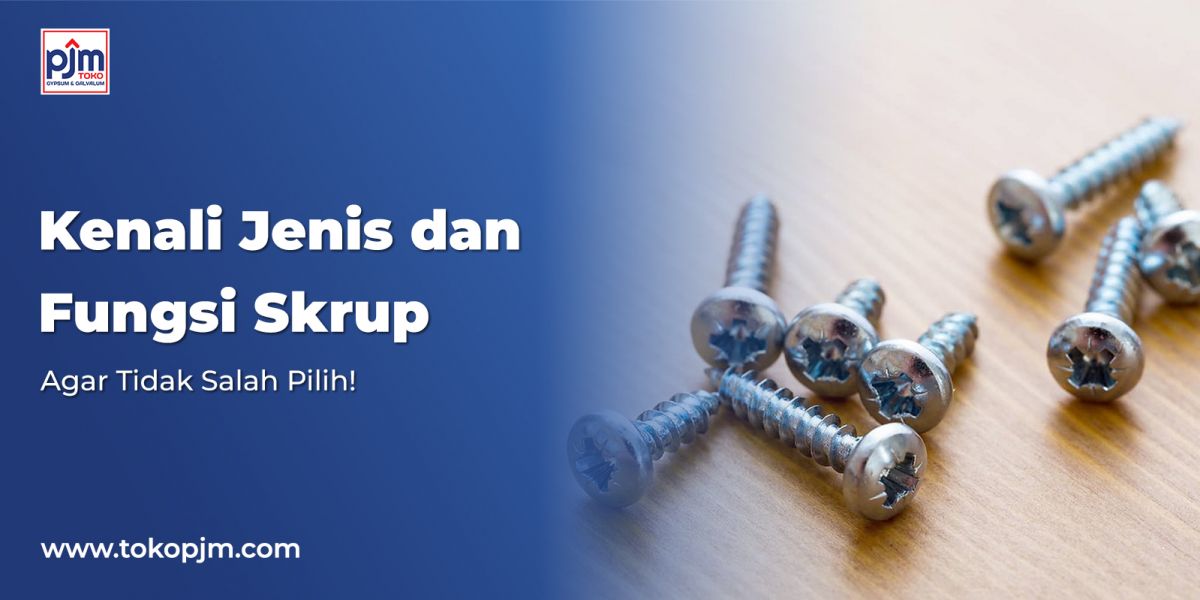
Screws help secure ceiling boards to the frame. If the screw type, size, or installation method is incorrect, the boards may not be firmly attached, resulting in a less neat finish.
Use screws suitable for the materials and follow the manufacturer's installation instructions.
4. Roof Leaks or Excessive Moisture
Ceilings that are continuously exposed to water leaks can become damaged. Boards weakened by excessive moisture are more likely to sag or change shape.
If your ceiling begins to sag and shows water stains, inspect the roof and identify the source of the leak as soon as possible.
5. Ceiling Loads Are Not Properly Considered
Adding lights, decorations, or other components without considering the frame's load capacity can create additional stress. The framing system must be designed according to the board type, span, and loads it needs to support.
For Bali Lightweight Steel applications, make sure the materials are used according to their intended function and structural design.
Prevent Ceiling Sagging with the Right Materials!
Ceiling sagging can result from various factors, including frame spacing, material selection, and roof leaks. Therefore, inspect the framing and ceiling thoroughly before deciding on the appropriate repairs.
Toko PJM provides a wide range of ceiling materials, including Hollow, Jayaboard and Yoshino gypsum boards, screws, and Bali Lightweight Steel materials for construction projects.
Get your Bali Ceiling Framing materials at Toko PJM and choose products that suit your building requirements!
Toko PJM — Your trusted source for ceiling, partition, and roofing materials.