DON'T GET CONFUSED! UNDERSTANDING THE DIFFERENCE BETWEEN SCREWS AND BOLTS IN CONSTRUCTION
06 November 2026
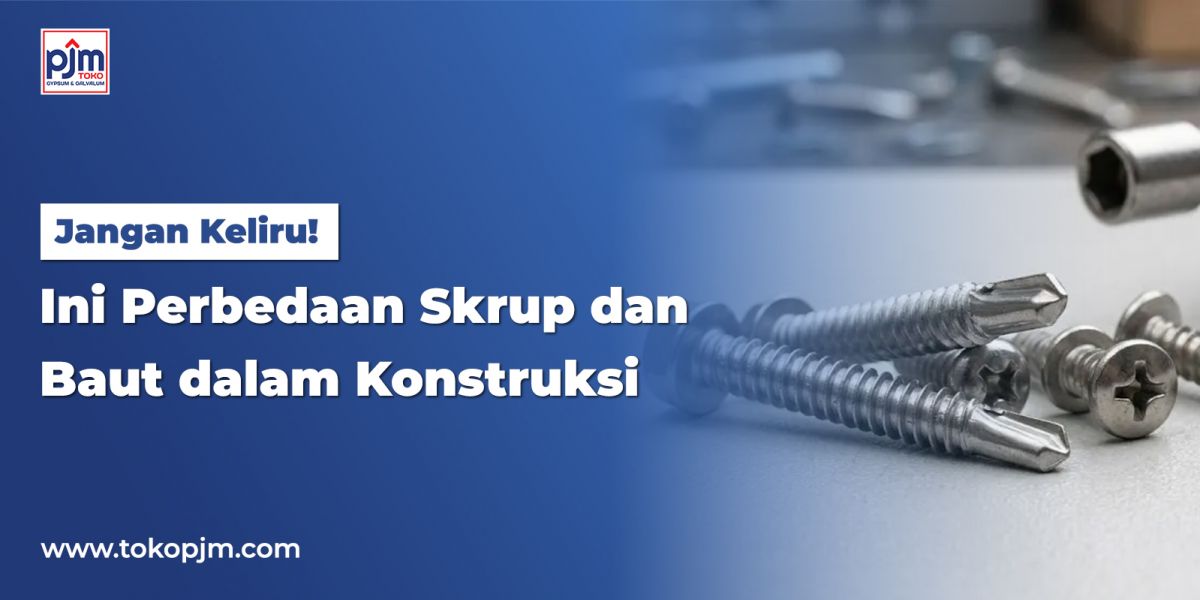
Screws and bolts are common fasteners used in construction work. Both serve to join materials together, but they differ in how they are installed and used.
So, what is the difference between screws and bolts? Let's explore their respective functions to help you choose the right fastener for your building needs.
What Is a Screw?
A screw is a threaded fastener installed by turning it. Its threads help grip the material, allowing two components to be securely connected.
Think of a screw as a nail with spiral grooves. When turned, these grooves help the screw penetrate and grip the material.
Screws are commonly used for:
- Attaching gypsum boards to framing.
- Connecting wooden components.
- Installing accessories onto lightweight steel frames.
What Is a Bolt?
A bolt is a threaded fastener generally used together with a nut to join two or more components.
Bolts are usually inserted through holes in the materials and then tightened with a nut. They are commonly used for frame connections, machinery, and building components that require strong connections that can also be disassembled when needed.
Differences Between Screws and Bolts
1. How They Work
Screws are turned so their threads grip the material. Meanwhile, bolts are generally tightened together with nuts to secure multiple components.
2. Installation Method
Screws can be driven directly into materials, depending on their type. Bolts are usually inserted through pre-drilled holes and then secured with nuts.
3. Tools Used
Screws are generally installed using a screwdriver or power screwdriver. Bolts are typically tightened using an open-end wrench or ring wrench.
Keep in mind that head shapes and thread designs are not absolute distinguishing factors, as both screws and bolts come in various types.
Examples of Applications in Construction
Lightweight Steel Roof Framing Installation
Specialized lightweight steel screws are used to connect roof framing profiles. The screw type must be selected according to the material thickness and connection requirements.
Gypsum Ceiling Installation
Gypsum screws are used to attach gypsum boards to ceiling frames. Their heads are designed to sit neatly within the board surface.
Building Component Connections
Bolts and nuts can be used to join specific components that require strong connections while still allowing them to be disassembled when necessary.
How to Choose the Right Fastener
Before purchasing screws or bolts, consider the following factors:
- The type and thickness of the materials being connected.
- The required connection strength.
- Environmental conditions, such as damp areas or exposure to weather.
- Whether the fastener size meets the job specifications.
For structural applications, fastener selection must follow the appropriate technical specifications and construction plans.
Conclusion
The difference between screws and bolts lies in how they work and how they are used. Screws generally grip materials through their threads, while bolts are typically used with nuts to fasten components together.
Choosing the right fastener helps ensure that construction work is neat and meets project requirements.
Looking for screws or bolts for your home or construction project? Visit Toko PJM to explore product information and consult with the Toko PJM team about your material requirements.